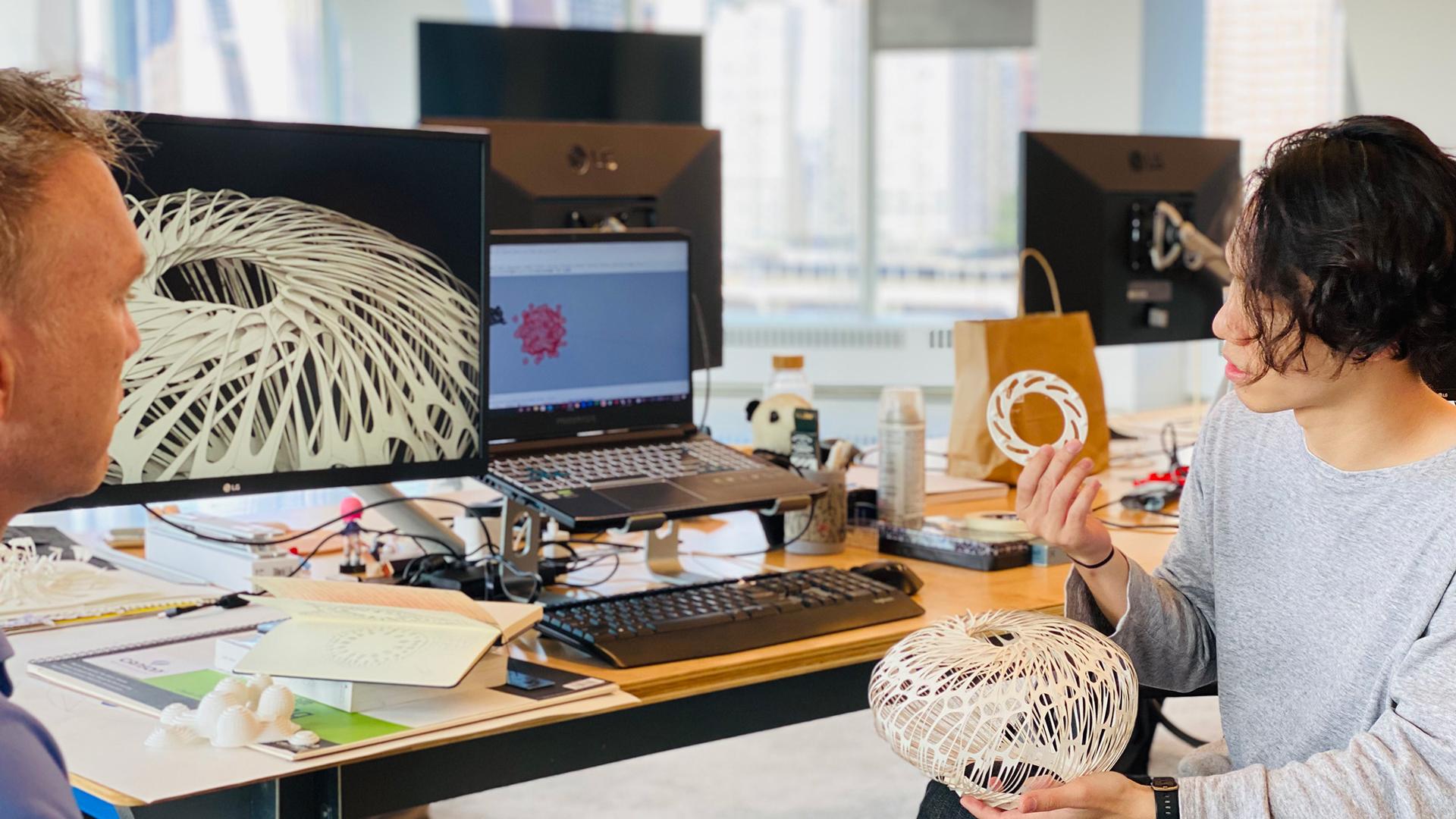
The multicollege Department of Design Tech bridges and enhances design and technology across disciplines to address societal needs and build upon strengths in art, architecture, science, engineering, and industry. We form synergistic partnerships across fields, faculty, and industries that advance design education to prepare the next generation to take on some of the most complex challenges of our time.
Design Tech integrates innovations in science, technology, and design to generate next-generation digital tools, materials, and structures that are adaptive, efficient, smart, and resilient. Our Master of Science in Design Technology centers around collaborative teaching and research. Cornell is a leading R1 university offering myriad opportunities for our students to engage in a range of impactful design research. The five participating colleges that comprise Design Tech define the department’s unique transdisciplinary environment for learning, making, research, and design excellence to flourish.
College Partnerships
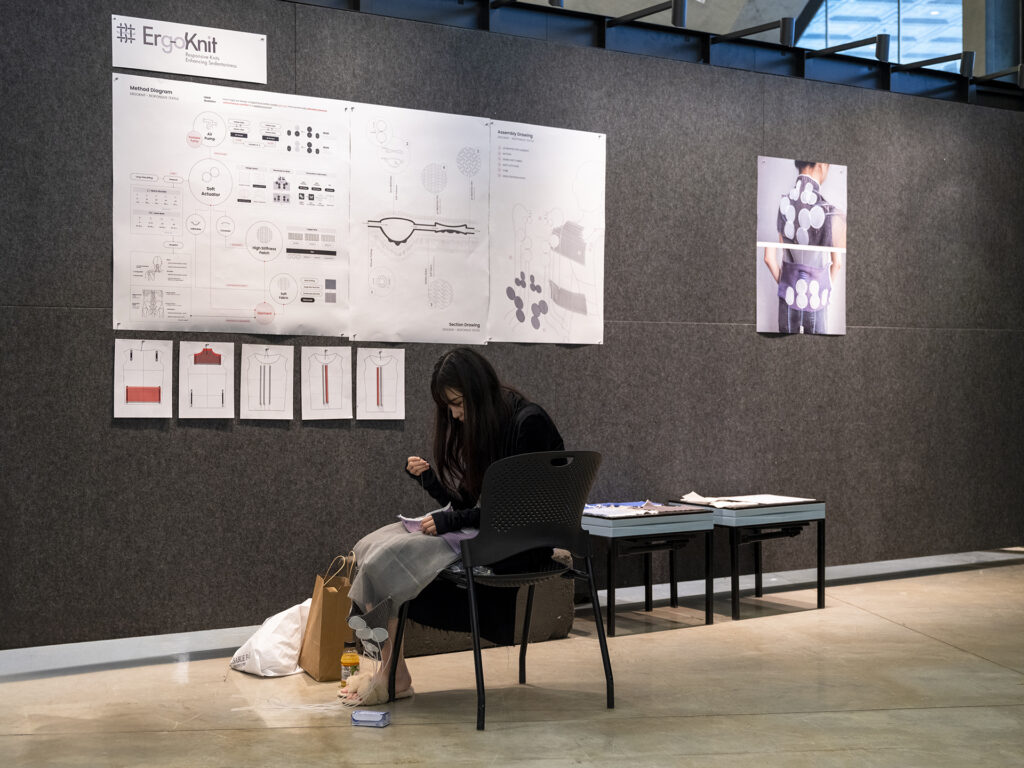
The College of Architecture, Art, and Planning (AAP) is the home and administrative college for Design Tech. Students spend the first of their two years building foundations with courses and studios, including Design and Making Across Disciplines, Coding for Design, Design for Physical Interaction, and electives on various design technology topics. Immersed in the college’s collaborative environment, students join peers in the architecture, art, planning, and real estate disciplines at AAP to collectively develop creative and critical practices and build a more sustainable, just, and resilient world.
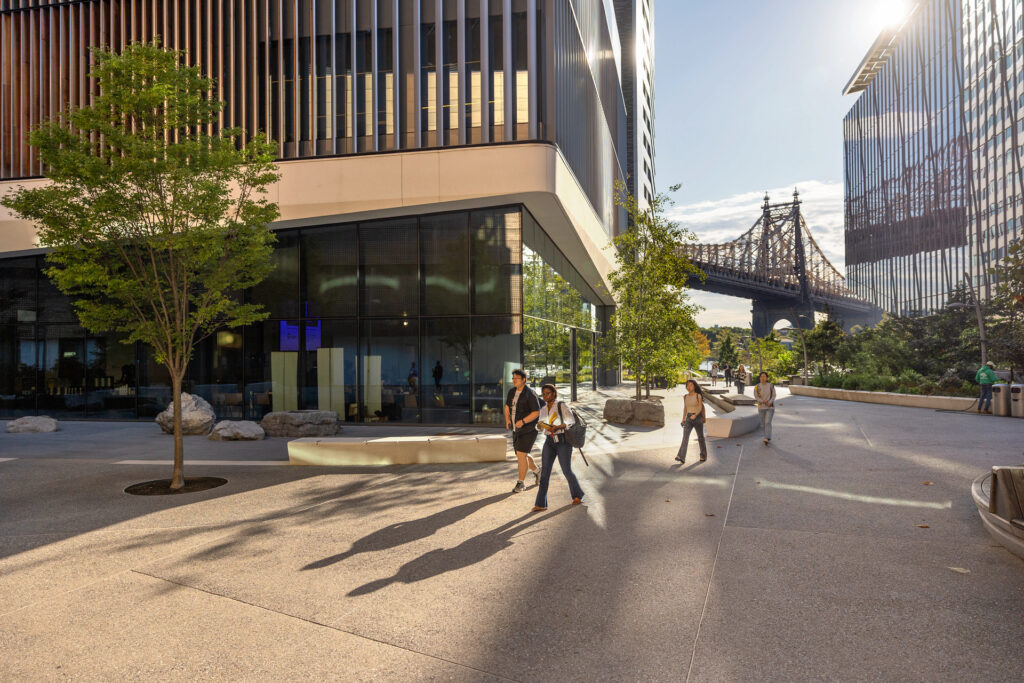
Cornell Tech in New York City brings together experts in engineering, computer science, design, business, and law to build the foundations for new digital technologies — especially AI. Through interdisciplinary collaboration and partnerships with leaders in the private and public sectors, Cornell Tech advances practical technology solutions to real-world problems for societal impact. With a strong focus on engagement and entrepreneurship, students in the studio professional track spend their second year at Cornell Tech.
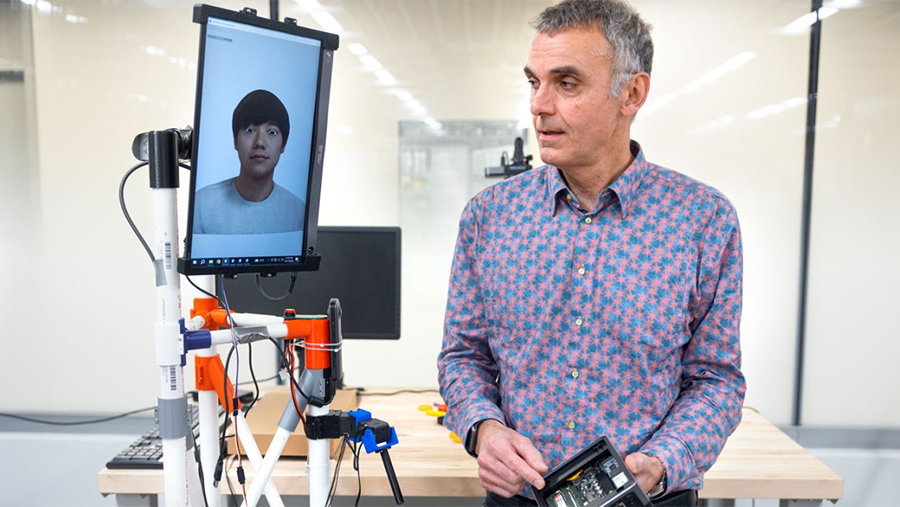
Cornell Ann S. Bowers College of Computing and Information Science (Cornell Bowers) houses three different academic departments that, along with Design Tech partners, investigate and advance the information economy. With an integrated and collaborative approach to research and teaching on technology, design, humanity, and society, Cornell Bowers and Design Tech embrace and advance the new frontiers of computing and information.

Cornell Human Ecology (CHE) brings a wide range of expertise and design research to Design Tech that helps us better understand the human experience, with one goal: helping people thrive. CHE and Design Tech firmly commit to public service and a strong network of partnerships to translate research into action that advances human health and wellbeing and improves lives.
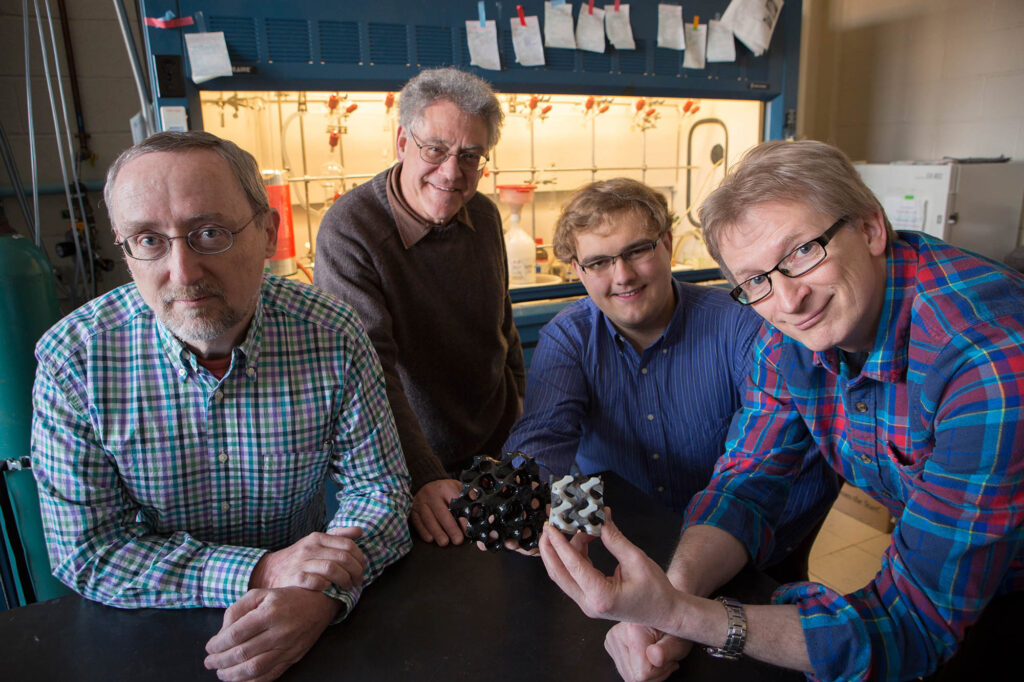
Cornell Duffield College of Engineering revolutionizes critical fields with new materials, systems, and solutions that address societal needs. The college’s areas of collaborative investigation include machine learning and data-driven decisions that inform sound design decisions, train machines, and decipher broader meaning in outputs from artificial intelligence. Design Tech intersects with Engineering in robotics and autonomous systems; climate, energy, and the environment; and space technology and exploration.
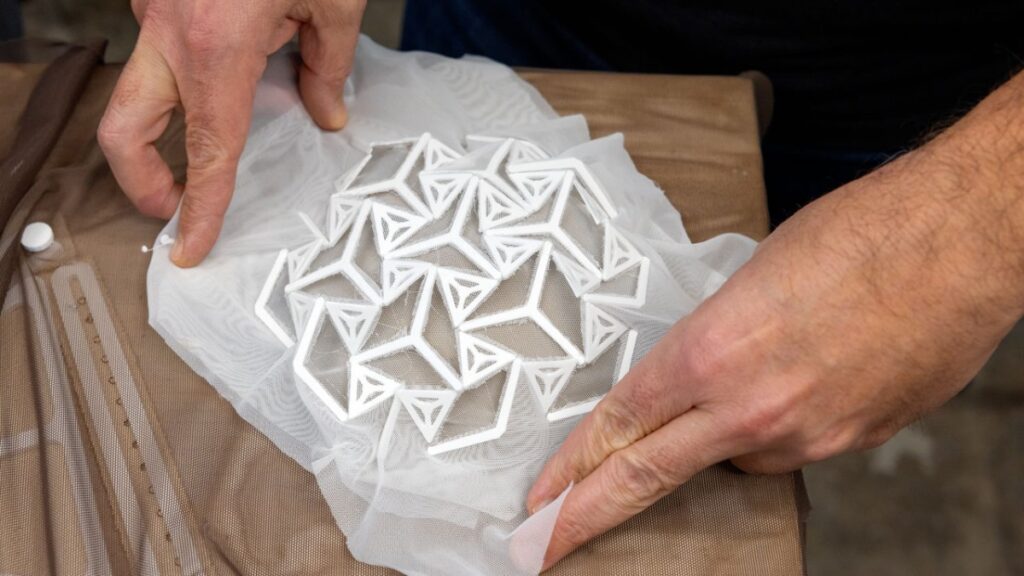
Industry Partnerships
Design Tech inspires and cultivates innovative partnerships across departments, colleges, and disciplines, as well as with industry leaders. Our recent industry partners include:
Autodesk
AAP is developing an exciting new partnership with Autodesk to support student and faculty research, making, and the use of advanced digital tools and applied design methods in the Departments of Design Tech and Architecture. This partnership supports the AAP Autodesk Design and Make Space on our Ithaca campus.
Biodesign Challenge
Design Tech is a participating department in this year’s Biodesign Challenge. The Biodesign Challenge is an international education program for high school and college students that introduces the intersection of biotechnology, art, and design and connects them to a global network of leaders in academia, industry, and entrepreneurship who are defining the field of biodesign. BDC aims to pioneer, envision, create, and critique transformational applications in biotech.
Cornell Engineered Living Materials Institute
Design Tech is actively pursuing research proposals and opportunities with the Cornell Engineered Living Materials Institute (ELMI). Chair Jenny Sabin is a founding faculty member of ELMI. The ELMI is a collaborative hub for basic science, technology development, and education related to materials built of and/or by engineered, non-mammalian, living organisms. We aim to revolutionize technology for society through reimagined large-scale infrastructure and human-scale products, while at the same time enabling society’s expansion through off-world exploration and habitation made possible with materials and structures that are grown from renewable resources rather than manufactured.
HelioSkin
Funded by the National Science Foundation Convergence Accelerator, HelioSkin integrates bioinspired design for beautiful solar collection skins. From backyard canopies to wrapping buildings, HelioSkin leverages the heliotropic performance of plants to generate more energy through mechanical tracking to serve sustainability-conscious, design-minded homeowners, organizations, and architects to increase public adoption of solar panels in the residential sector.